
Searchable Publication List
The 2024 U.S. Election, Trust, and Technology: Preparing for a Perfect Storm of Threats to Democracy
Authors of a new paper identified key risks and potential threats, focusing on vulnerabilities associated with three types of assets required for fair, democratic elections: physical, human, and reputational.
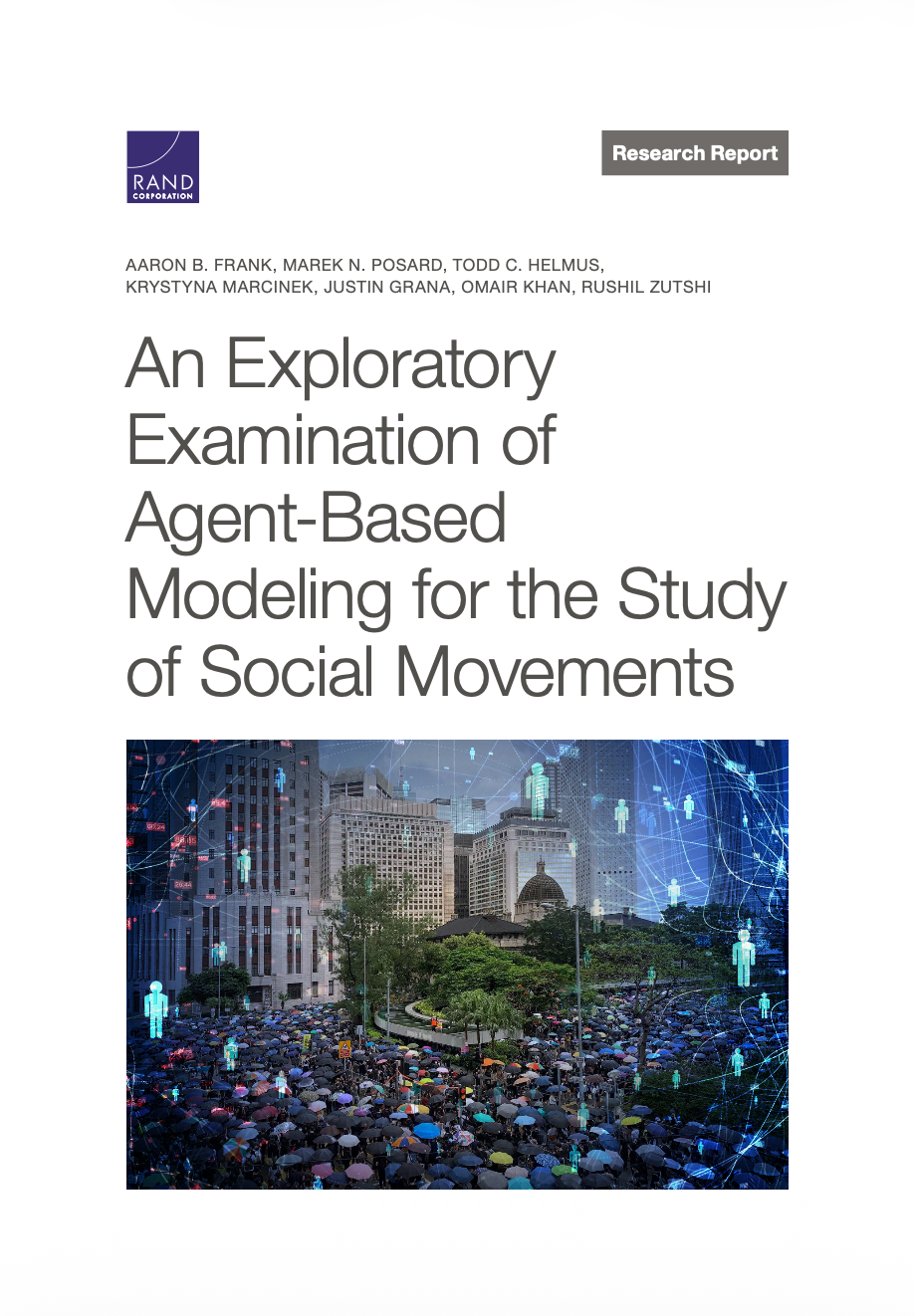
An Exploratory Examination of Agent-Based Modeling for the Study of Social Movements
This RAND report uses agent-based modeling and case studies from Egypt, Syria, and Hong Kong to explore how information technologies accelerate social movement formation and reshape the dynamics of collective action.
Artificial Intelligence, Deepfakes, and Disinformation: A Primer
Foundational resource used across the national security and technology communities to understand AI-generated threats to information integrity.
Generative AI Threats to Democracy and Potential Policy Responses
Guided U.S. Senate deliberations on regulatory initiatives to address generative AI risks to democratic institutions and information ecosystems.
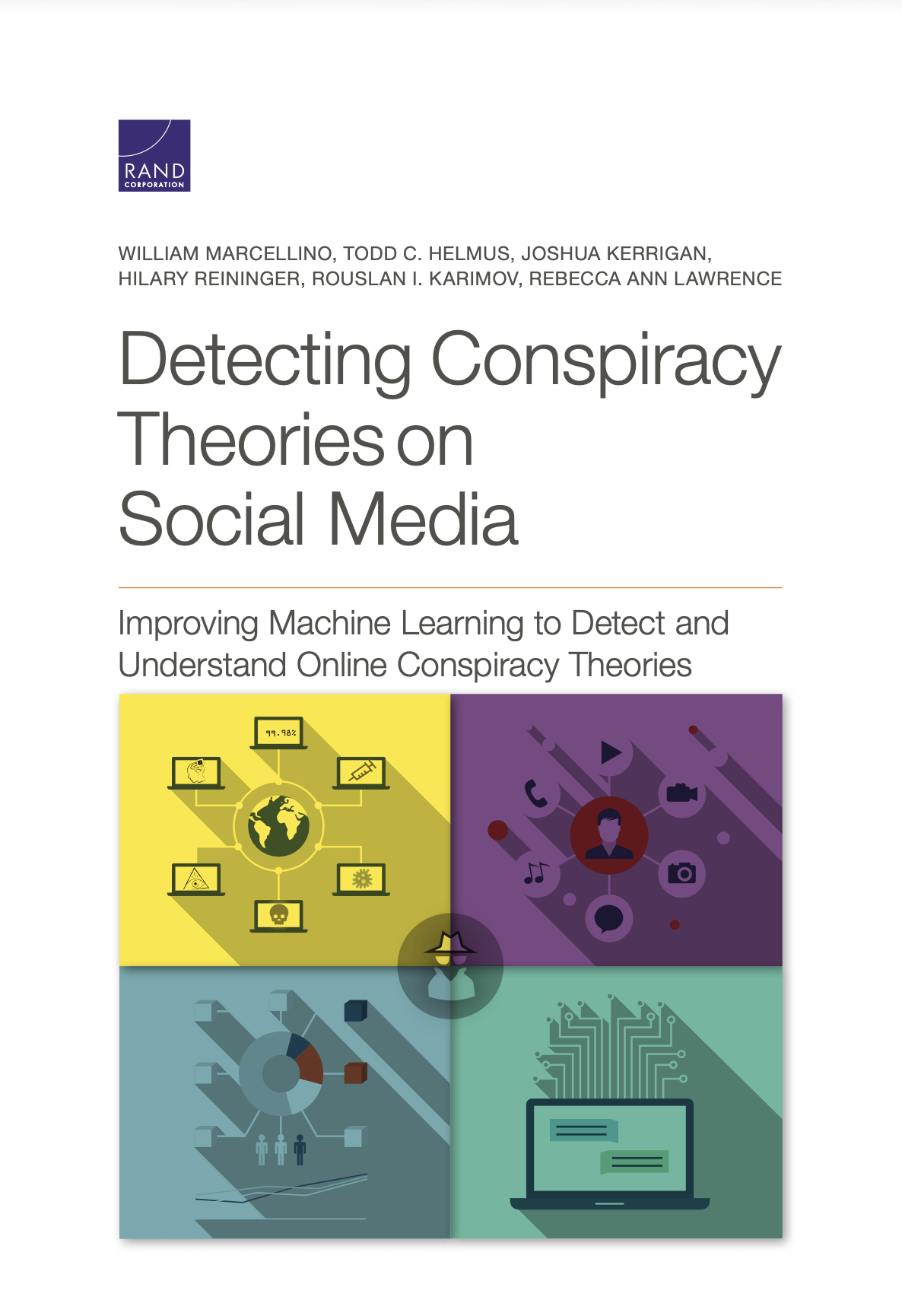
Detecting Conspiracy Theories on Social Media: Improving Machine Learning to Detect and Understand Online Conspiracy Theories
This RAND report for Google Jigsaw develops a hybrid linguistic and rhetorical machine-learning model that substantially improves detection of online conspiracy theory language, and argues that because conspiracy theories often hook into legitimate concerns and "us versus them" framings, direct contradiction backfires—making transparent empathetic engagement, correction of false news, outreach to moderate adherents, and addressing underlying fears more effective responses.
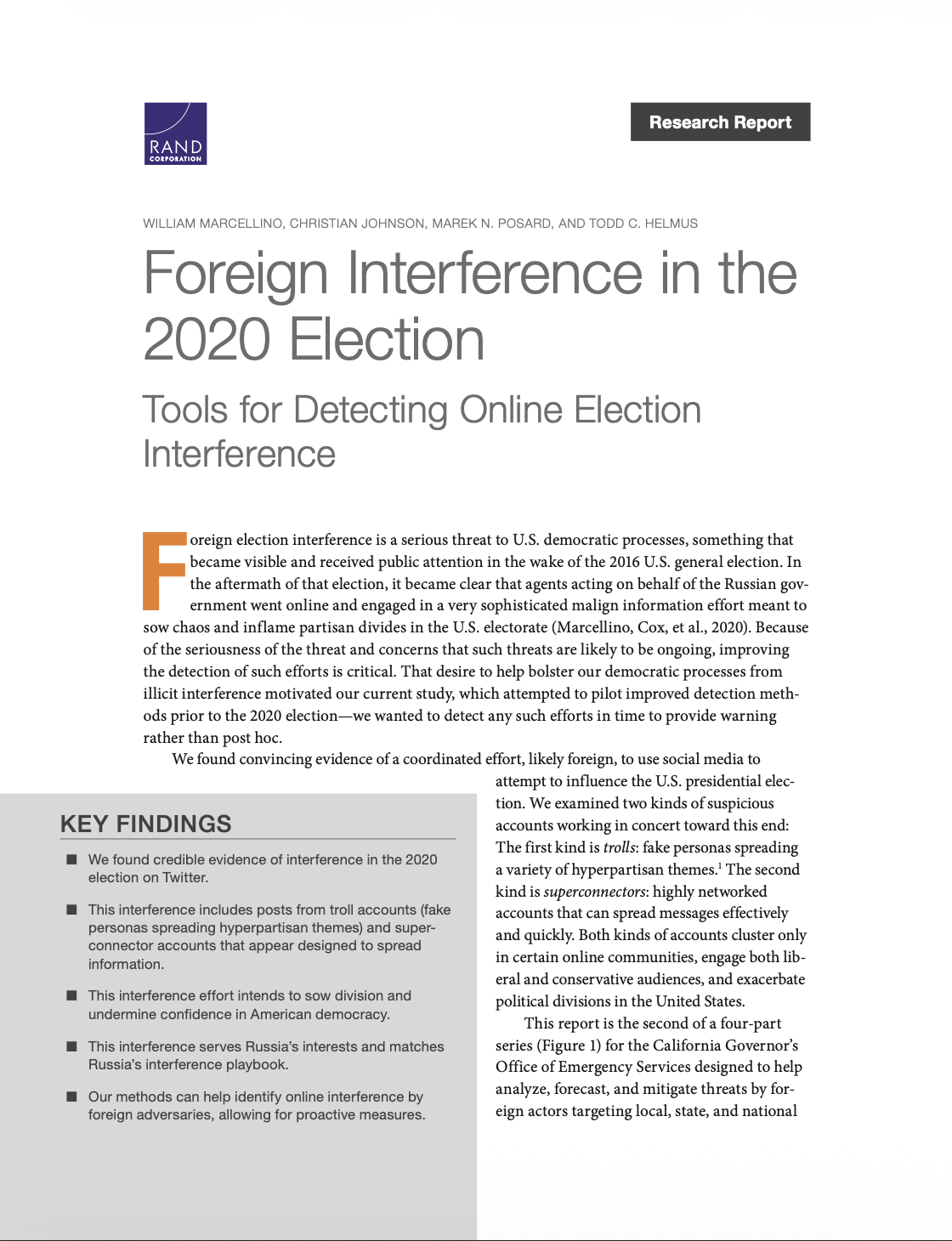
Foreign Interference in the 2020 Election: Tools for Detecting Online Election Interference
This RAND report, the second in a series on foreign election interference, maps Twitter advocacy communities around the 2020 election and identifies likely interference through trolls and superconnector accounts that—while not definitively attributable—serve Russian interests and match Moscow's playbook of sowing division, with the authors recommending continued innovation in detection methods and public surfacing of threats, targets, and tactics.
Counter-Radicalization Bot Research: Using Social Bots to Fight Violent Extremism
This RAND report asks whether social bots—automated accounts capable of detecting targets and delivering counter-messaging at scale—could help close that narrow window. The answer: technically feasible, but the harder questions are legal, ethical, and geopolitical.