
Searchable Publication List
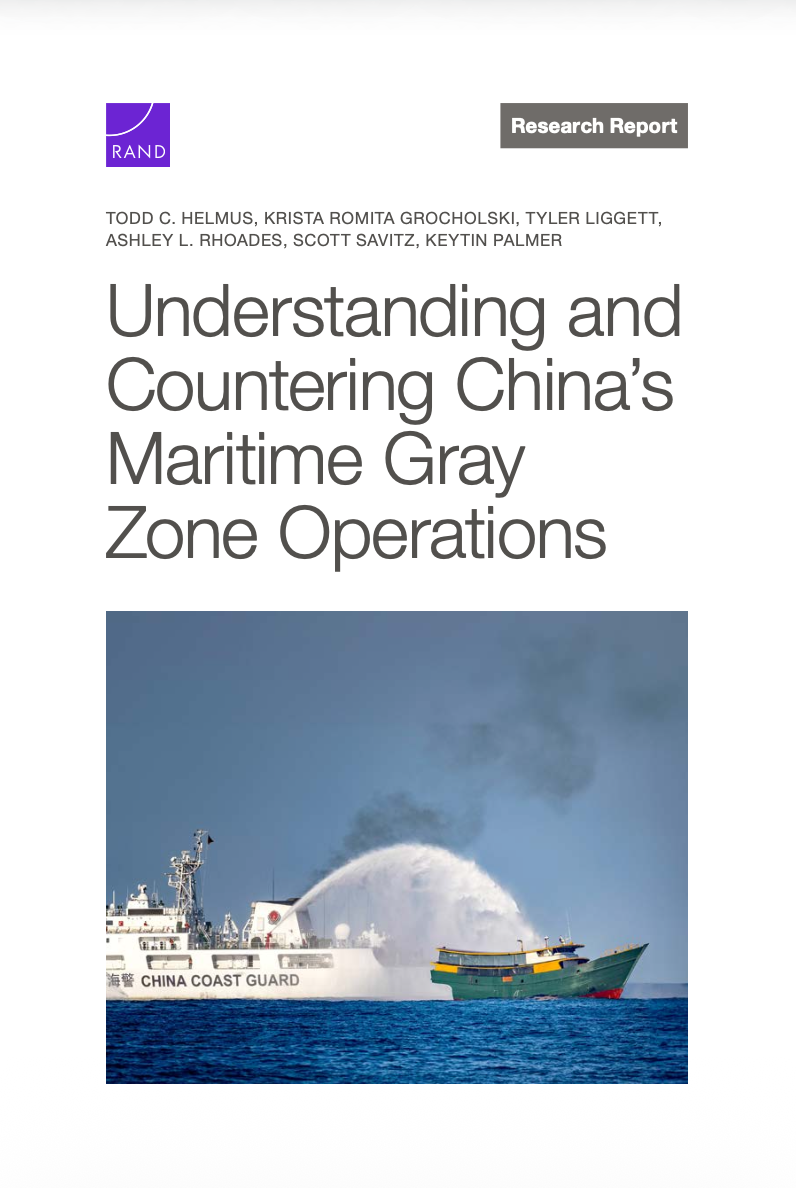
Understanding and Countering China’s Maritime Gray Zone Operations
This RAND report identifies four pathways for countering China's South China Sea gray zone operations—presence, transparency, partner capacity-building, and non-lethal weapons—and warns that a U.S. focus on potential kinetic war risks losing a gray zone conflict in which China secures effective sovereignty without firing a shot.
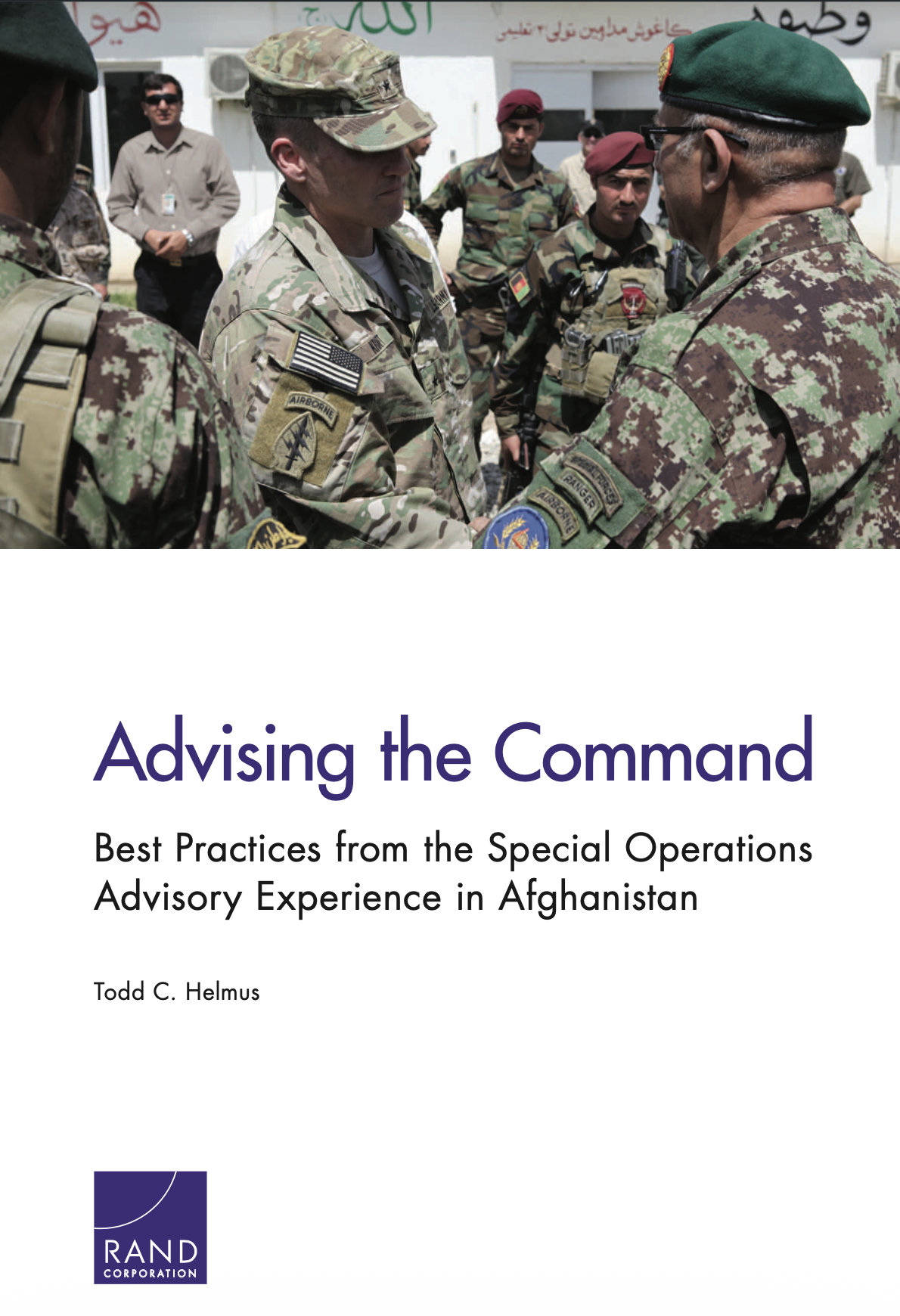
Advising the Command: Best Practices from the Special Operations Advisory Experience in Afghanistan
Drawing from the NATO Special Operations advisory mission in Afghanistan, the research highlights best practices across the full advisory lifecycle — from pre-deployment training through continuity of operations across rotations.

How the United States Can Support Allied and Partner Efforts to Counter China in the Gray Zone
This RAND report examines how Southeast and East Asian states respond to China's gray-zone coercion and recommends the U.S. reinforce regional will through security commitments and transparency support, build resilience through alternative investment, and expand military and coast guard capacity while reconsidering assumptions that direct confrontation inevitably escalates.
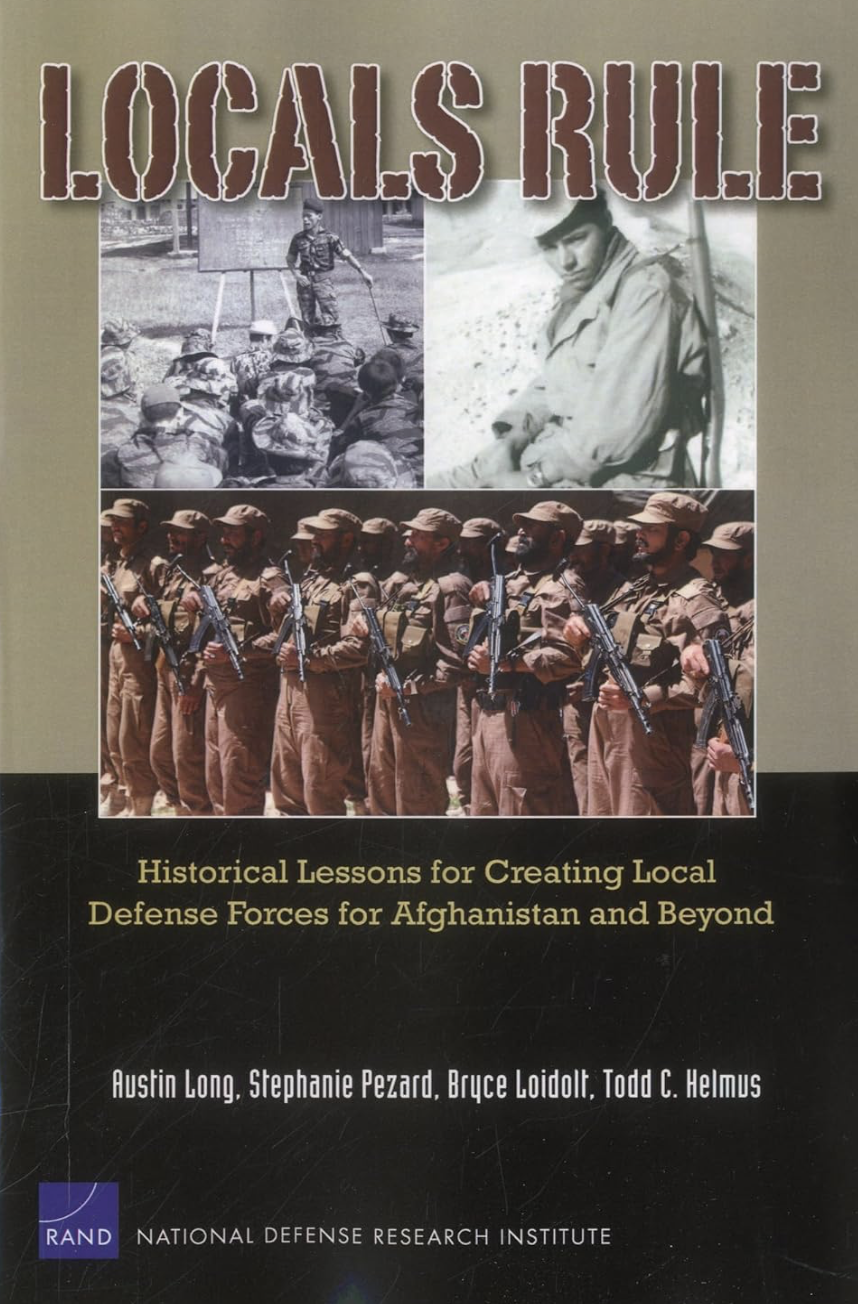
Locals Rule: Historical lessons for Creating Local Defense Forces for Afghanistan and Beyond
This RAND study, created at the best of the senior special operations officer in Afghanistan, applied lessons from the history of local defense forces to support U.S. Village Stability Operations in Afghanistan and the Afghan Local Police.
China’s Role in the Global Development of Critical Resources
This RAND study examined Chinese foreign investment in critical resources and energy infrastructure—coal power in Indonesia, Pakistan, and South Africa; transmission and distribution in several Latin American countries; and global seabed mining—looking for evidence of the behaviors most often alleged: predatory contracting, strategic positioning, disregard for environmental and labor standards, and market-influencing disinformation.
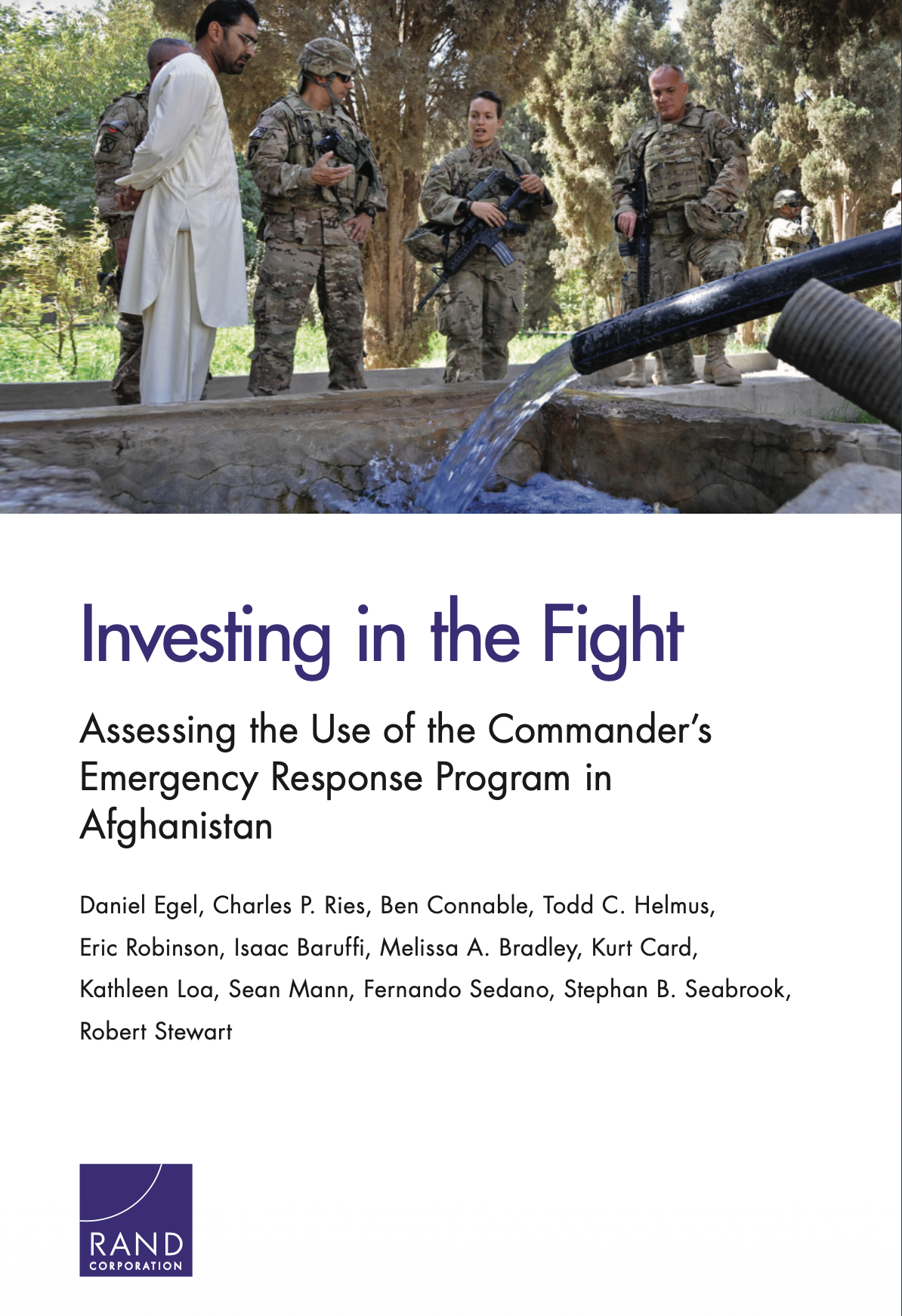
Investing in the Fight: Assessing the Use of the Commander’s Emergency Response Program in Afghanistan
This RAND report finds that CERP in Afghanistan was effective when nested within operations—especially for "softer" outcomes like rapport and local governance—and recommends restricting it to small-dollar projects, building unit-to-unit transition processes, training all relevant personnel, and formalizing a USAID role.