
Searchable Publication List
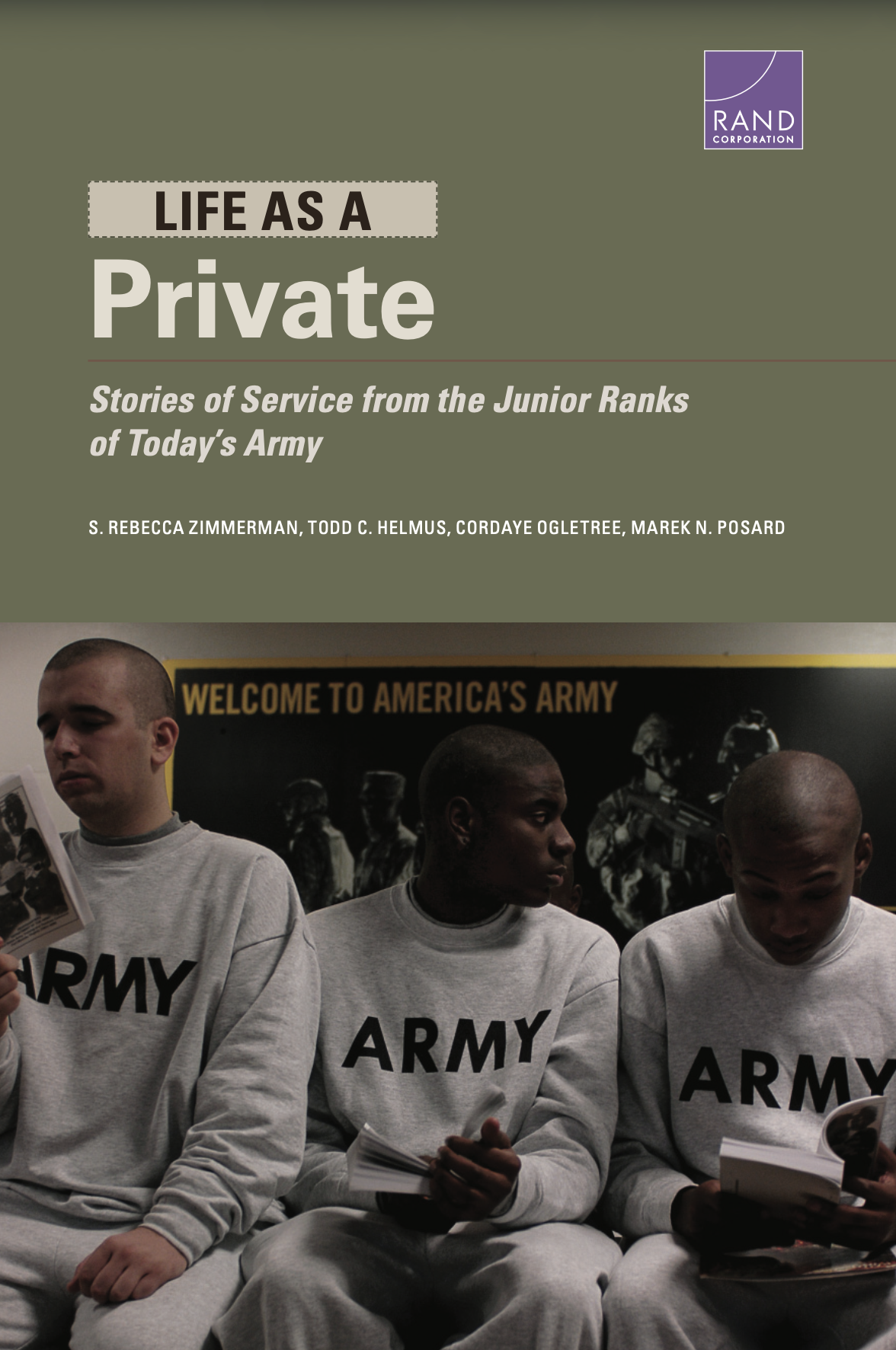
Life as a Private: Stories of Service from the Junior Ranks of Today’s Army
This RAND Arroyo Center report tells the stories of six junior enlisted soldiers in their own words, surfacing common themes around leaders who genuinely care, strong unit relationships, satisfying social lives (with real financial pressure for those with dependents), and the Army's transformative effect on the people who serve.
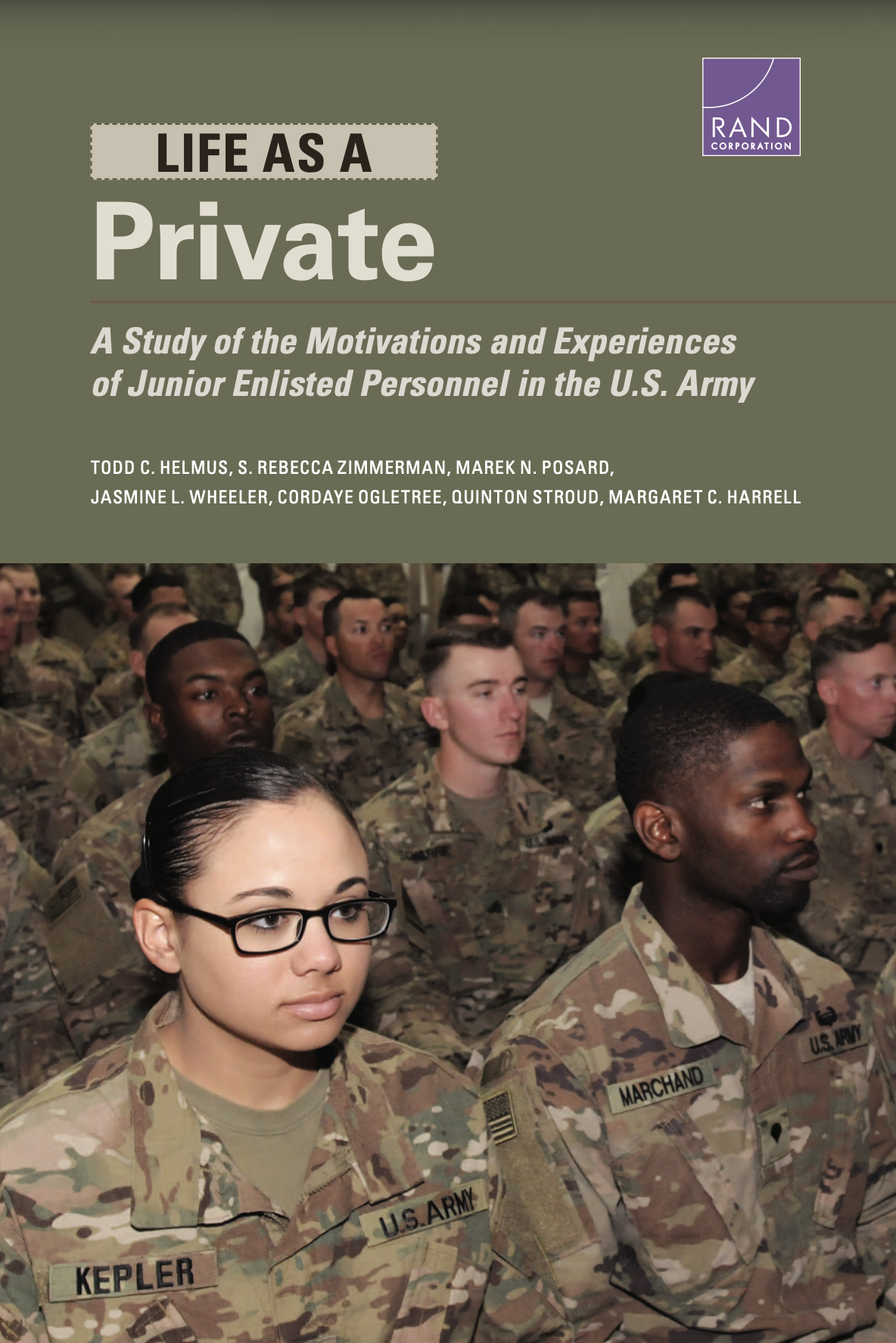
Life as a Private: A Study of the Motivations and Experiences of Junior Enlisted Personnel in the U.S. Army
This RAND Arroyo Center study of 81 junior enlisted soldiers finds that they join for family, institutional, and occupational reasons, value camaraderie and small-unit leadership above all, and report broad satisfaction with Army life—pointing to recommendations around foregrounding social bonds in the Army Value Proposition and reenlistment messaging, peer-network recruiting incentives, and more accurate pre-enlistment information.
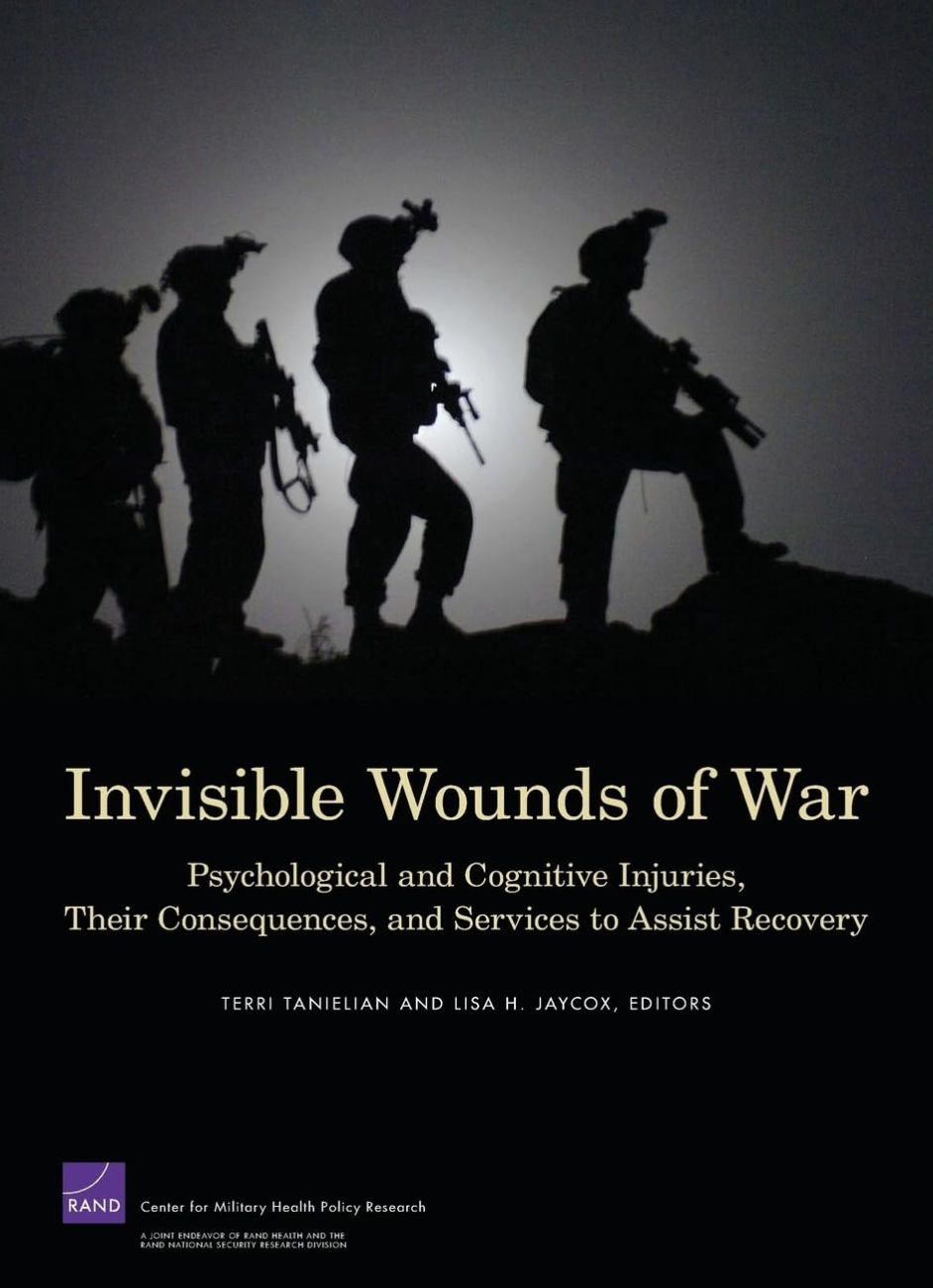
Invisible Wounds of War: Psychological and Cognitive Injuries, Their Consequences, and Services to Assist Recovery
This landmark study of OEF/OIF veterans finds that PTSD, major depression, and traumatic brain injury are widespread "invisible wounds" with effective evidence-based treatments that would pay for themselves within two years if DoD, the VA, and the broader health system made the system-level changes needed to deliver them.
Programs Addressing Psychological Health and Traumatic Brain Injury Among U.S. Military Servicemembers and Their Families
This RAND report catalogs 211 DoD psychological health and TBI programs, finds significant duplication and little evidence on what works, and recommends strategic planning, centralized coordination, rigorous evaluation, and consistent use of evidence-based interventions.
''People Make the City,'' Executive Summary: Joint Urban Operations Observations and Insights from Afghanistan and Iraq
This RAND study draws on extensive documentary material and interviews with American, British, and Australian military and civilian personnel from Operations Enduring Freedom and Iraqi Freedom to identify tools that help militaries conduct urban combat and post-conflict restoration more effectively, on the premise that preserving innocent life and rebuilding what war destroys are now strategic obligations because cities are the keys to nations.
Steeling the Mind: Combat Stress Reactions and Their Implications for Urban Warfare
In this report with over 120 academic citations, the authors provide an overview of combat stress reaction (CSR) in the form of a review of its known precipitants, its battlefield treatment, and the preventive steps commanders can take to limit its extent and severity. In addition, the authors use historical battlefield reports to assess the risk urban operations pose to CSR.
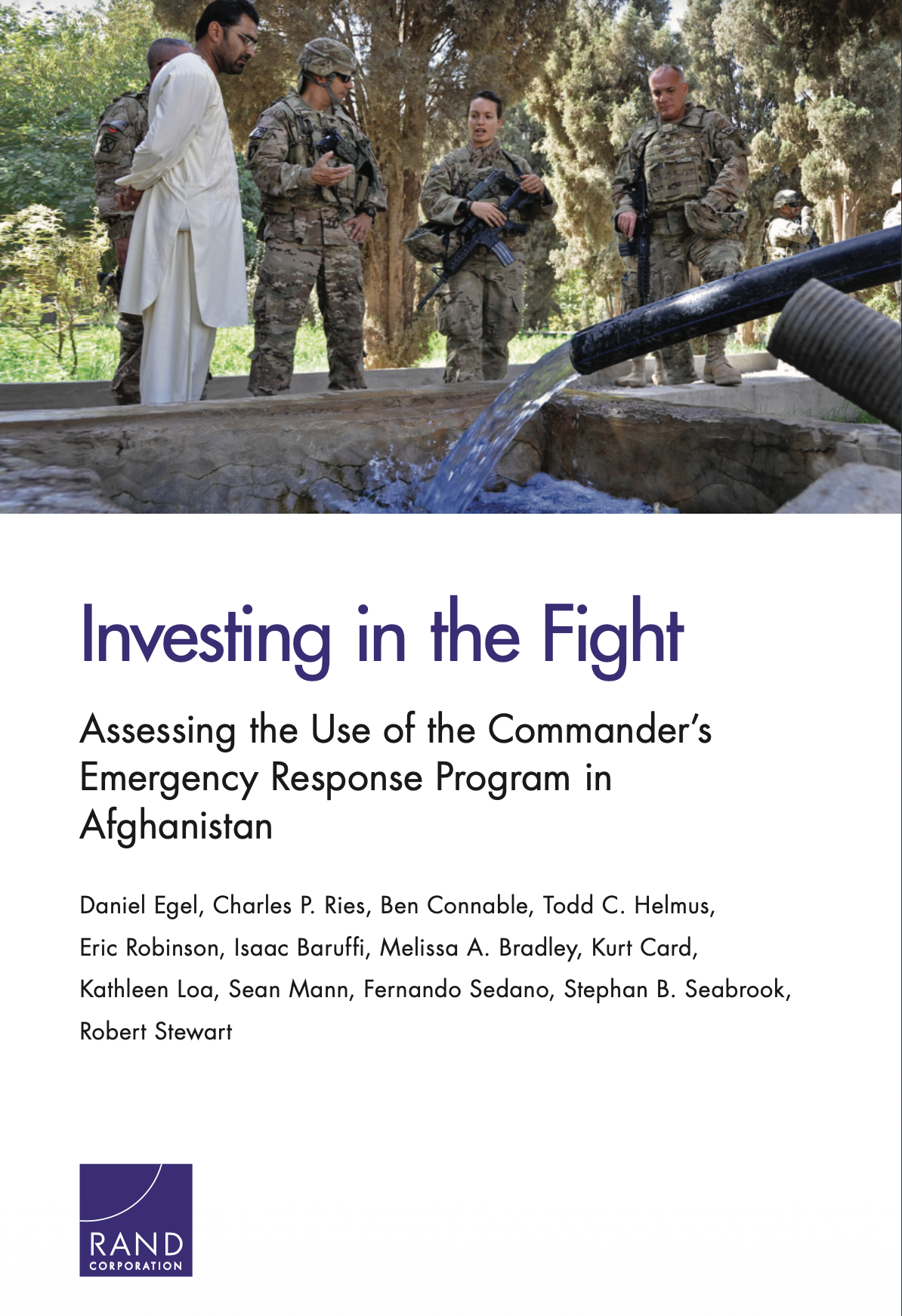
Investing in the Fight: Assessing the Use of the Commander’s Emergency Response Program in Afghanistan
This RAND report finds that CERP in Afghanistan was effective when nested within operations—especially for "softer" outcomes like rapport and local governance—and recommends restricting it to small-dollar projects, building unit-to-unit transition processes, training all relevant personnel, and formalizing a USAID role.
Countering Violent Extremism in the U.S. Military
This RAND report adapts civilian terrorism prevention and CVE frameworks for the Department of Defense, organizing interventions by phase—early (online messaging, community resilience), middle (referral promotion, law enforcement training), and late (prison-based mental health care)—and recommending DoD adopt military-tailored versions while building out research on the prevalence, in-unit dynamics, and manifestation of extremism in the force.